a book
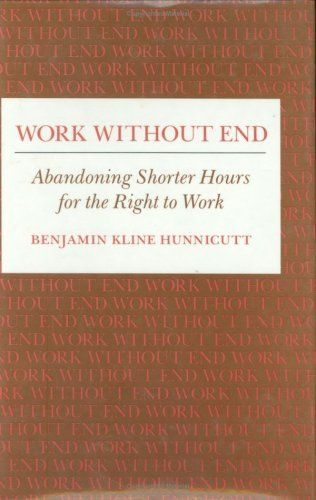
Work Without End
Benjamin Hunnicutt · 1988 · 416 pages
An Extraordinarily Informative Scholarly History Of The Debate Over Working Hours From 1920 To 1940. --new York Times Book Reviewfor More Than A Century Preceding The Great Depression, Work Hours Were Steadily Reduced. Intellectuals, Labor Leaders, Politicians, And Workers Saw This Reduction In Work As Authentic Progress And The Resulting Increase In Leisure Time As A Cultural Advance. Benjamin Hunnicutt Examines The Period From 1920 To 1940 During Which The Shorter Hour Movement Ended And The Drive For Economic Expansion Through Increased Work Took Over. He Traces The Political, In Contents; Acknowledgments; Introduction; 1. The Century Of Shorter Hours And Work Reduction; 2. The New Economic Gospel Of Consumption; 3. Leisure For Labor; 4. Leisure For Culture And Progress; 5. Shorter Hours In The Early Depression; 6. Fdr Counters Shorter Hours; 7. Idleness Reemployed: Public Works And Deficit Spending; 8. Social Security And The Fair Labor Standards Act; 9. Intellectuals And Reformers Abandon Shorter Hours; 10. A Case In Point: Scientists; 11. The Age Of Work; Notes; Index Benjamin Kline Hunnicutt. Includes Index. Includes Bibliographical References (p. 317-389) And Index. English


recommended by 1 person
sourced from public statements

Anne Helen Petersen
“@Diamond61845143 obsessed with those books”↗