
a book
To the Lighthouse
Virginia Woolf · 1927 · 200 pages
The novel is set in the Ramsays' summer home in the Hebrides, on the Isle of Skye. The section begins with Mrs Ramsay assuring her son James that they should be able to visit the lighthouse on the next day. This prediction is denied by Mr Ramsay, who voices his certainty that the weather will not be clear, an opinion that forces a certain tension between Mr and Mrs Ramsay, and also between Mr Ramsay and James. This particular incident is referred to on various occasions throughout the section, especially in the context of Mr and Mrs Ramsay's relationship.


recommended by 7 people
sourced from public statements

Alison Bechdel
“I reread this book every once in a while, and every time I do I find it more capacious and startling. It’s so revolutionary and so exquisitely wrought that it keeps evolving on its own somehow, as if it’s alive.”↗

Ocean Vuong
“This book still feels anachronistically bold in its total recalibration of conventional plot-making as a means of privileging characters, people and ideas over ‘story,’ all of it a treatise for a woman’s interior life as a central motif for fiction. It’s subtly subversive but also starkly innovative in action—or inaction (the entire narrative can be summed up—with a touch of, but not much, hyperbole—as five people crossing a lawn while a woman tries to finish her painting). What’s so illuminating to me is Woolf’s insistence on the extended metaphor (near Homeric at times) as a means of destabilizing the temporal function of plot. What is real when the metaphor becomes just as felt, if not more so, than the narrated life, when it becomes a portal?”↗

Richard E. Grant
“Groundbreaking, haunting and elliptical.”↗
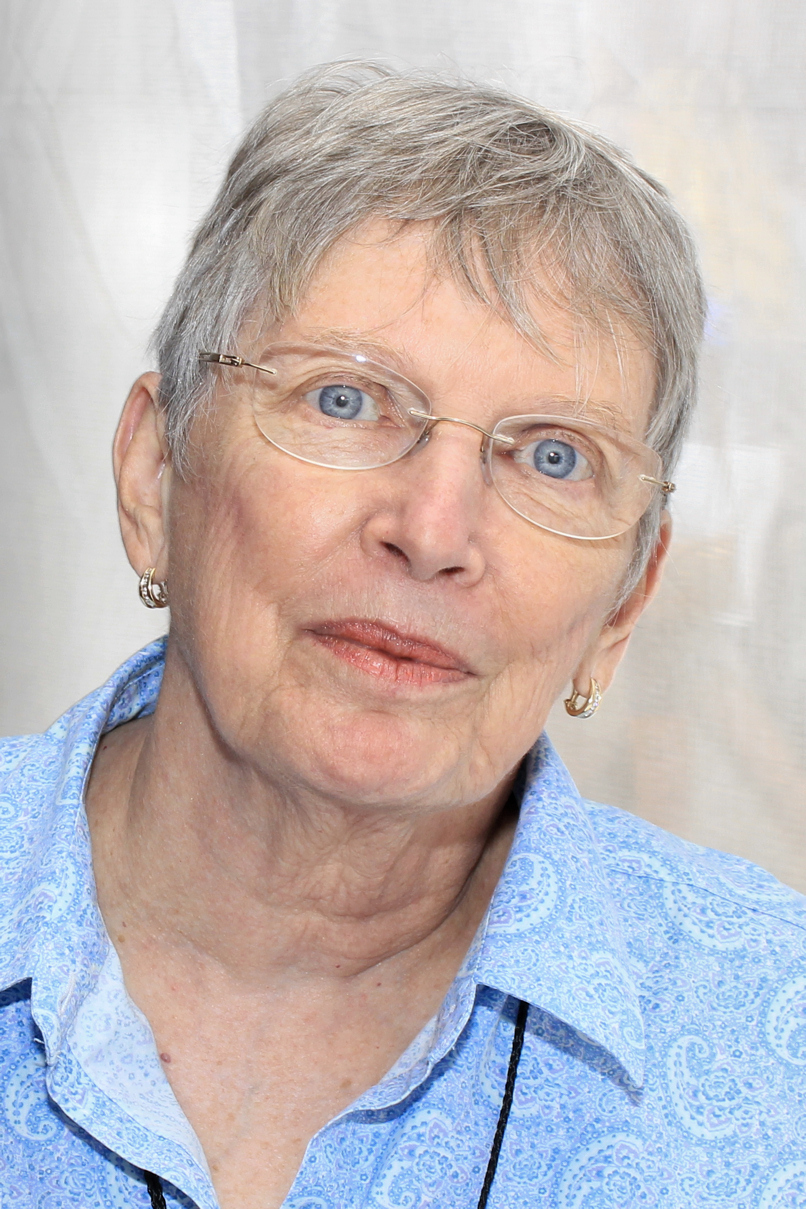
Lois Lowry
“I am still attracted to the stream-of-consciousness style introduced to me by Virginia Woolf. At the time I read To the Lighthouse, I was a graduate student studying both literature and photography, and I could see the connection between these two arts in this study of shifting perceptions.”↗

Rachel Cusk
“Woolf’s groundbreaking novel is still one of the best available accounts of self-mythologizing middle-class family life and its oppressive construction of male and female identity.”↗

