a book
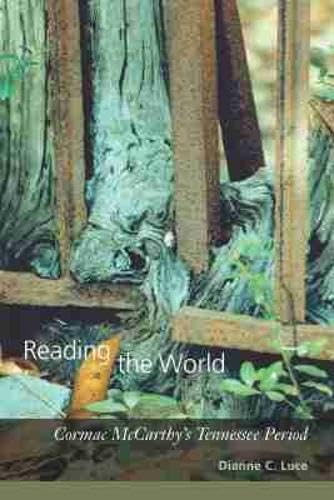
Reading the World: Cormac McCarthy's Tennessee Period
Dianne C. Luce · 2010 · 314 pages
In Reading the World, Dianne C. Luce explores the historical and philosophical contexts of Cormac McCarthy's early works, crafted during his Tennessee period from 1959 to 1979, to demonstrate how the writer integrates literary realism with the imagery and myths of Platonic, gnostic, and existentialist philosophies to create his unique vision of the world. Luce begins with a substantial treatment of the eastern Tennessee context from which McCarthy's fiction emerges, sketching an Appalachian culture and environment in flux. Against this backdrop Luce examines McCarthy's distinctive rendering of character through mixed narrative techniques of flashbacks, shifts in vantage point, and dream sequences. She shows how McCarthy's fragmented narration and lyrical style combine to create a rich portrayal of the philosophical and religious elements at play in human consciousness as it confronts a world rife with isolation and violence. As Luce explores the developing gnosticism in Outer Dark and Child of God, she notes the introduction of Platonic myths and symbols, creating dialogic tensions. She finds McCarthy blending these elements with the neo-gnosticism of Camus's existentialism in The Gardener's Son, and she concludes by illustrating how McCarthy's ambitious Suttree is a culmination of the Tennessee period as she unravels the novel's complexly interwoven fabric of philosophical and mythic strains introduced in the earlier works. --Publisher description.


recommended by 1 person
sourced from public statements
