
a book
Personal Narrative of a Journey to the Equinoctial Regions of the New Continent
Alexander von Humboldt · 1996 · 400 pages
One of the greatest nineteenth-century scientist-explorers, Alexander von Humboldt traversed the tropical Spanish Americas between 1799 and 1804. By the time of his death in 1859, he had won international fame for his scientific discoveries, his observations of Native American peoples and his detailed descriptions of the flora and fauna of the 'new continent'. The first to draw and speculate on Aztec art, to observe reverse polarity in magnetism and to discover why America is called America, his writings profoundly influenced the course of Victorian culture, causing Darwin to reflect: 'He alone gives any notion of the feelings which are raised in the mind on first entering the Tropics.'
For more than seventy years, Penguin has been the leading publisher of classic literature in the English-speaking world. With more than 1,700 titles, Penguin Classics represents a global bookshelf of the best works throughout history and across genres and disciplines. Readers trust the series to provide authoritative texts enhanced by introductions and notes by distinguished scholars and contemporary authors, as well as up-to-date translations by award-winning translators.
For more than seventy years, Penguin has been the leading publisher of classic literature in the English-speaking world. With more than 1,700 titles, Penguin Classics represents a global bookshelf of the best works throughout history and across genres and disciplines. Readers trust the series to provide authoritative texts enhanced by introductions and notes by distinguished scholars and contemporary authors, as well as up-to-date translations by award-winning translators.


recommended by 1 person
sourced from public statements
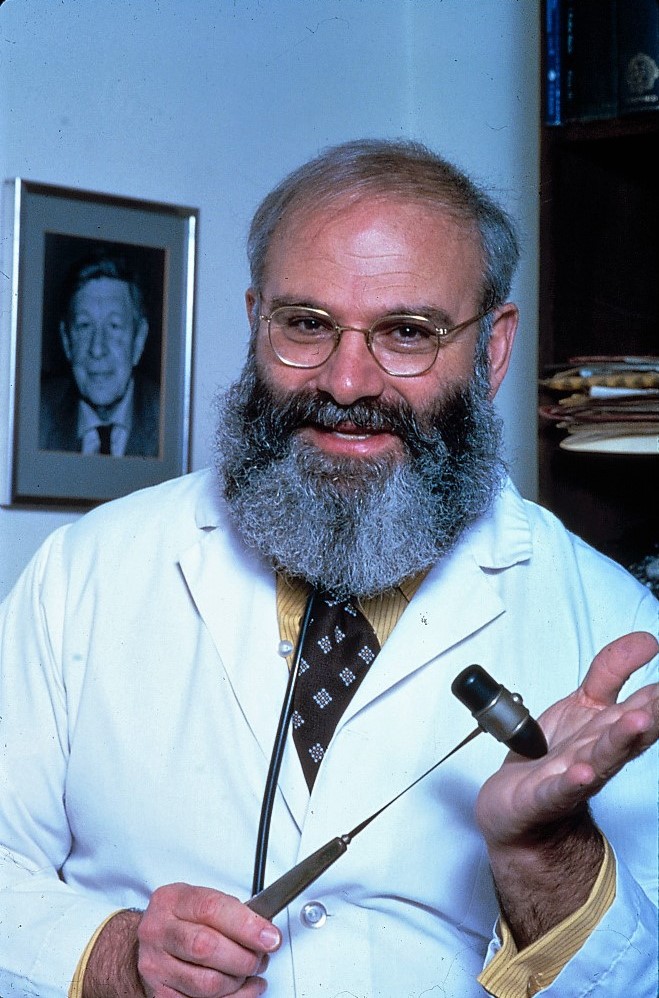
Oliver Sacks
“Humboldt is another hero of mine: exuberant, impulsive, world-embracing. He was a favorite of Darwin’s too—Darwin took this narrative with him on the Beagle, and as he read it, his feeling for Humboldt intensified: ‘Formerly I admired him,’ he wrote. ‘Now I almost adore him.'”↗