
a book
How Innovation Works: And Why It Flourishes in Freedom
Matt Ridley · 2020 · 416 pages
Building on his national bestseller The Rational Optimist, Matt Ridley chronicles the history of innovation, and how we need to change our thinking on the subject.
Innovation is the main event of the modern age, the reason we experience both dramatic improvements in our living standards and unsettling changes in our society. Forget short-term symptoms like Donald Trump and Brexit, it is innovation itself that explains them and that will itself shape the 21st century for good and ill. Yet innovation remains a mysterious process, poorly understood by policy makers and businessmen, hard to summon into existence to order, yet inevitable and inexorable when it does happen.
Matt Ridley argues in this book that we need to change the way we think about innovation, to see it as an incremental, bottom-up, fortuitous process that happens to society as a direct result of the human habit of exchange, rather than an orderly, top-down process developing according to a plan. Innovation is crucially different from invention, because it is the turning of inventions into things of practical and affordable use to people. It speeds up in some sectors and slows down in others. It is always a collective, collaborative phenomenon, not a matter of lonely genius. It is gradual, serendipitous, recombinant, inexorable, contagious, experimental and unpredictable. It happens mainly in just a few parts of the world at any one time. It still cannot be modelled properly by economists, but it can easily be discouraged by politicians. Far from there being too much innovation, we may be on the brink of an innovation famine.
Ridley derives these and other lessons, not with abstract argument, but from telling the lively stories of scores of innovations, how they started and why they succeeded or in some cases failed. He goes back millions of years and leaps forward into the near future. Some of the innovation stories he tells are about steam engines, jet engines, search engines, airships, coffee, potatoes, vaping, vaccines, cuisine, antibiotics, mosquito nets, turbines, propellers, fertiliser, zero, computers, dogs, farming, fire, genetic engineering, gene editing, container shipping, railways, cars, safety rules, wheeled suitcases, mobile phones, corrugated iron, powered flight, chlorinated water, toilets, vacuum cleaners, shale gas, the telegraph, radio, social media, block chain, the sharing economy, artificial intelligence, fake bomb detectors, phantom games consoles, fraudulent blood tests, faddish diets, hyperloop tubes, herbicides, copyright and even--a biological innovation--life itself.


recommended by 11 people
sourced from public statements

Andrej Karpathy
“Fun little stories and pop takes and tales on innovation.”

Naval Ravikant
“Matt, you have this new book out, How Innovation Works. It’s a must-read for entrepreneurs and government officials who want to either be innovative themselves or foster innovation in their geography or society. Frankly, if you were an entrepreneur, self-styled inventor or innovator, this is probably the cheapest, fastest education you can get on the history and future of innovation. I highly recommend it.”↗

James Altucher
“This is an incredibly valuable book for anyone looking to expand their creativity and innovation. The first read of it I just wanted to absorb the stories and new ideas. The 2nd was taking detailed notes on everything I didn't know. TONS of notes. The third read...ongoing now!”↗


Kenneth Cukier
“Yes - both books are among my very favorites in recent years.”↗


books like How Innovation Works: And Why It Flourishes in Freedom
other books recommended by the same people who recommend this one

The Great CEO Within: The Tactical Guide to Company Building
Matt Mochary
4 shared recommenders

The Sovereign Individual: How to Survive and Thrive During the Collapse of the Welfare State
James Dale Davidson
4 shared recommenders
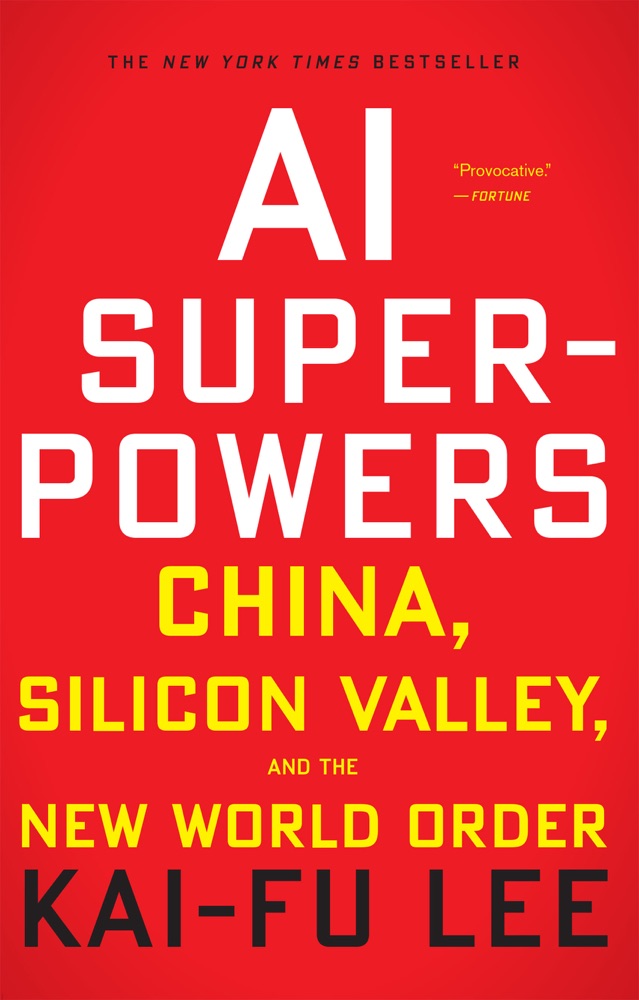
AI Superpowers: China, Silicon Valley, and the New World Order
Kai-Fu Lee
3 shared recommenders

High Output Management
Andrew S. Grove
3 shared recommenders

Influence: The Psychology of Persuasion, Revised Edition
Robert B. Cialdini, PhD
3 shared recommenders

Sapiens: A Brief History of Humankind
Yuval Noah Harari
3 shared recommenders
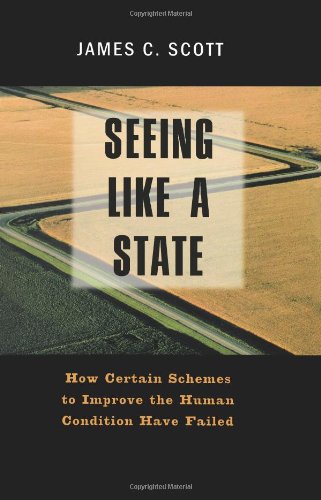
Seeing Like a State: How Certain Schemes to Improve the Human Condition Have Failed (The Institution for Social and Policy St)
Professor James C. Scott
3 shared recommenders

Snow Crash: A Novel
Neal Stephenson
3 shared recommenders

Superintelligence: Paths, Dangers, Strategies
Nick Bostrom
3 shared recommenders
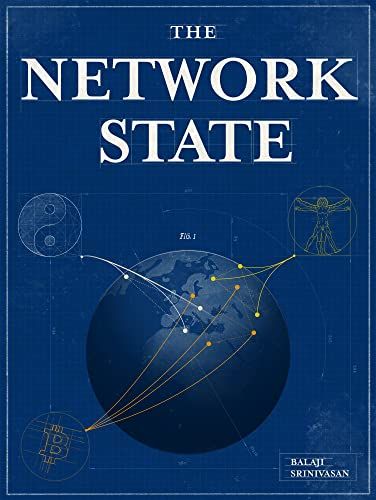
The Network State: How To Start a New Country
Balaji Srinivasan
3 shared recommenders

The Precipice: Existential Risk and the Future of Humanity
Toby Ord
3 shared recommenders

The Rational Optimist
Matt Ridley
3 shared recommenders