
a book
Arrowsmith
Sinclair Lewis · 2008 · 480 pages
With an afterword by E. L. Doctorow—the Pulitzer Prize-winning novel of one man’s pursuit of intellectual freedom in the face of ignorance and corruption, from the author of Babbit
Arrowsmith, the most widely read of Sinclair Lewis’s novels, is the incisive portrait of a man passionately devoted to science. As a bright, curious boy in a small Midwestern town, Martin Arrowsmith spends his free time in old Doc Vickerson’s office avidly devouring medical texts. Destined to become a physician and a researcher, he discovers that societal forces of ignorance, greed, and corruption can be as life-threatening as the plague.
Part satire, part morality tale, Lewis’s Pulitzer Prize-winning novel illuminates the mystery and power of science while giving enduring life to a singular American hero’s struggle for integrity and intellectual freedom in a small-minded world.
With an Introduction by Sally E. Parry
and an Afterword by E. L. Doctorow
Arrowsmith, the most widely read of Sinclair Lewis’s novels, is the incisive portrait of a man passionately devoted to science. As a bright, curious boy in a small Midwestern town, Martin Arrowsmith spends his free time in old Doc Vickerson’s office avidly devouring medical texts. Destined to become a physician and a researcher, he discovers that societal forces of ignorance, greed, and corruption can be as life-threatening as the plague.
Part satire, part morality tale, Lewis’s Pulitzer Prize-winning novel illuminates the mystery and power of science while giving enduring life to a singular American hero’s struggle for integrity and intellectual freedom in a small-minded world.
With an Introduction by Sally E. Parry
and an Afterword by E. L. Doctorow


recommended by 1 person
sourced from public statements
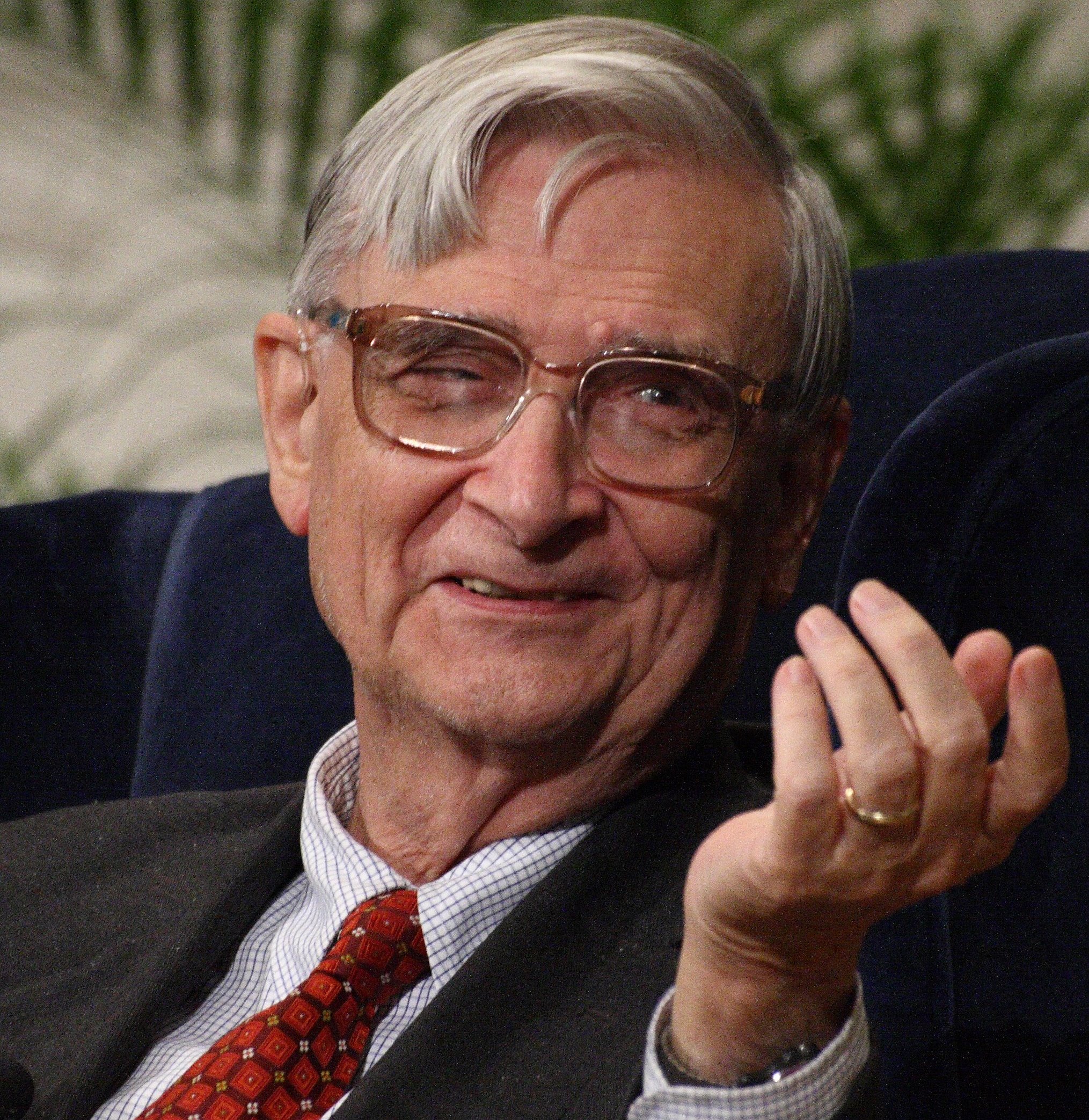
Eo Wilson
“The perfect young man’s book: a vision of a pure life devoted to the search for scientific truth, above money grubbing and hypocrisy. How I longed to be like Arrowsmith, to find my mentor in a real Gottlieb. The feeling was intensified when I discovered Jack London’s Martin Eden shortly afterward.”↗