
a book
A Moveable Feast
Ernest Hemingway · 2012 · 256 pages
Begun in the autumn of 1957 and published posthumously in 1964, Ernest Hemingway's A Moveable Feast captures what it meant to be young and poor and writing in Paris during the 1920s. A correspondent for the Toronto Star, Hemingway arrived in Paris in 1921, three years after the trauma of the Great War and at the beginning of the transformation of Europe's cultural landscape: Braque and Picasso were experimenting with cubist forms; James Joyce, long living in self-imposed exile from his native Dublin, had just completed Ulysses; Gertude Stein held court at 27 rue de Fleurus, and deemed young Ernest a member of rue génération perdue; and T. S. Eliot was a bank clerk in London. It was during these years that the as-of-yet unpublished young writer gathered the material for his first novel, The Sun Also Rises, and the subsequent masterpieces that followed.
Among these small, reflective sketches are unforgettable encounters with the members of Hemingway's slightly rag-tag circle of artists and writers, some also fated to achieve fame and glory, others to fall into obscurity. Here, too, is an evocation of the Paris that Hemingway knew as a young man -- a map drawn in his distinct prose of the streets and cafés and bookshops that comprised the city in which he, as a young writer, sometimes struggling against the cold and hunger of near poverty, honed the skills of his craft.
A Moveable Feast is at once an elegy to the remarkable group of expatriates that gathered in Paris during the twenties and a testament to the risks and rewards of the writerly life.


recommended by 9 people
sourced from public statements

Nathaniel Drew
“I get asked all the time what my book and audiobook recommendations are and I have one that ties in wonderfully with this video and that I am enjoying so so much. It's called A Movable Feast by Ernest Hemingway.”

Sally Field
“Besides revealing wonderful, intimate stories of F. Scott Fitzgerald and Gertrude Stein in prewar Paris, this is a glimpse into the life of a struggling young writer, Hemingway, and a how-to manual for anyone who wants to fill an empty page with words. He reminds himself to look for one true sentence when he feels lost. To start with the first true, simple declarative sentence. Elaborate writing, like someone introducing or presenting something—the scrollwork or ornament—should be thrown away. I turned to this book and Hemingway, constantly trying to understand how he could say so much so simply.”↗
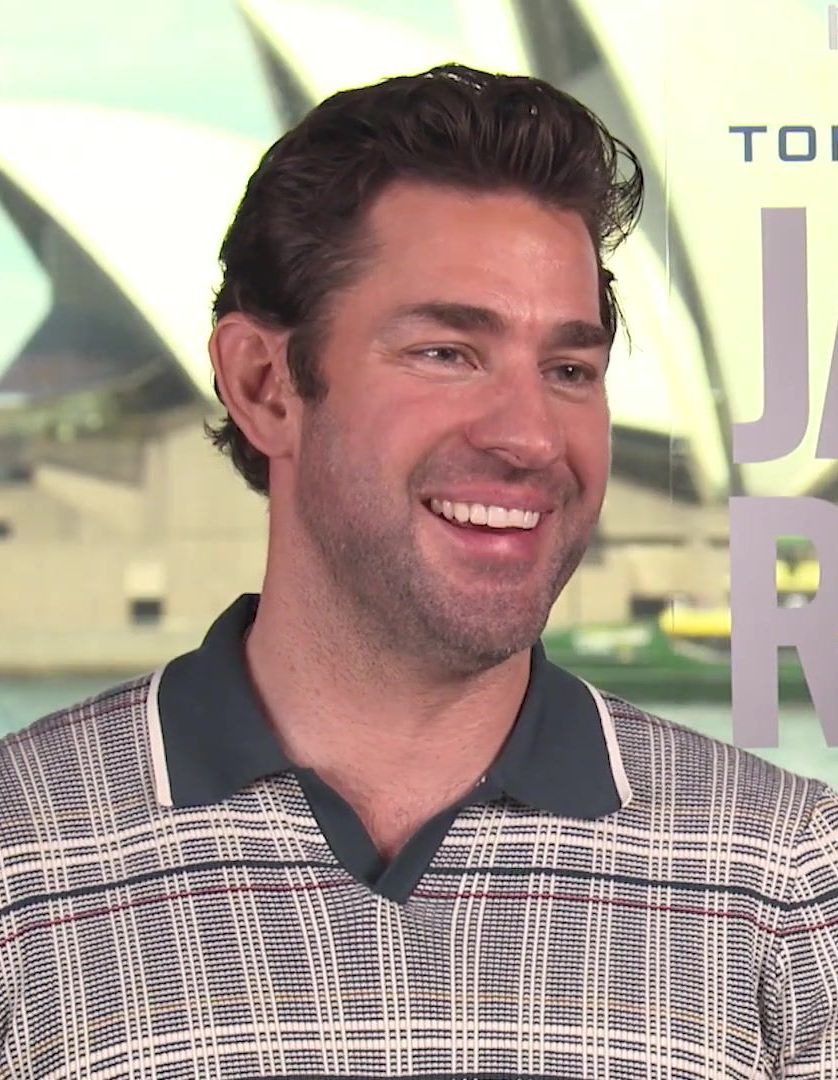
John Krasinski
“I had the very good fortune of happening upon A Moveable Feast when I was visiting Paris, the backdrop of Hemingway’s most biographical book. May we all live at least one day as Ernest did! In this memoir of his time in Paris in the 1920s, he romanticizes a period in his life when he had very little by celebrating good books, good wine, and good friends.”↗


books like A Moveable Feast
other books recommended by the same people who recommend this one

A Gentleman in Moscow
Amor Towles
2 shared recommenders

City of Thieves: A Novel
David Benioff
2 shared recommenders

Man's Search for Meaning
Viktor E. Frankl
2 shared recommenders

Sapiens: A Brief History of Humankind
Yuval Noah Harari
2 shared recommenders

The Old Man and the Sea: The Hemingway Library Edition
Ernest Hemingway
2 shared recommenders

I Know Why the Caged Bird Sings
Maya Angelou (READ: Maya Angelou’s Recommended Reads
2 shared recommenders

What I Talk About When I Talk About Running
Haruki Murakami
2 shared recommenders

Born to Run
Christopher McDougall
2 shared recommenders

Essentialism: The Disciplined Pursuit of Less
Greg McKeown
2 shared recommenders